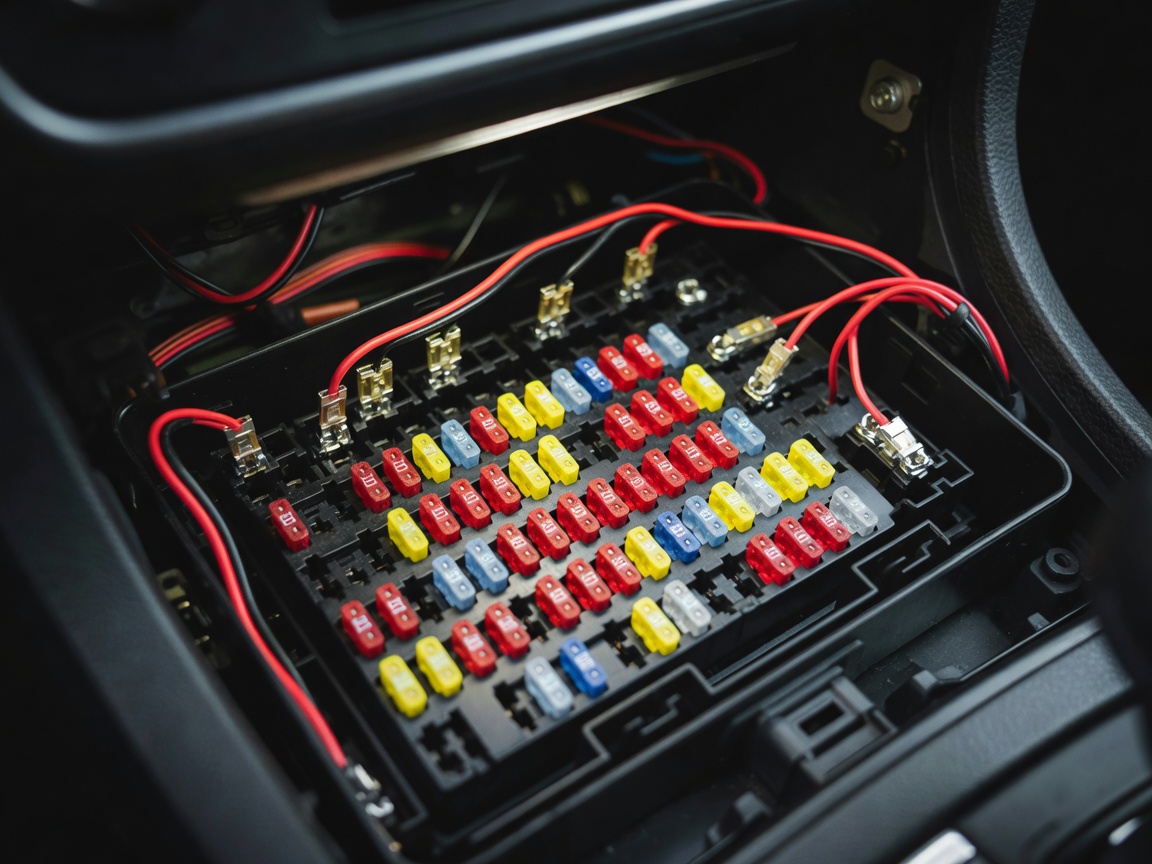
Secure Installation Methods
A poorly installed device creates physical hazards in the cabin. Learn how to integrate your dash camera seamlessly into your vehicle's architecture.
Placement and Calibration
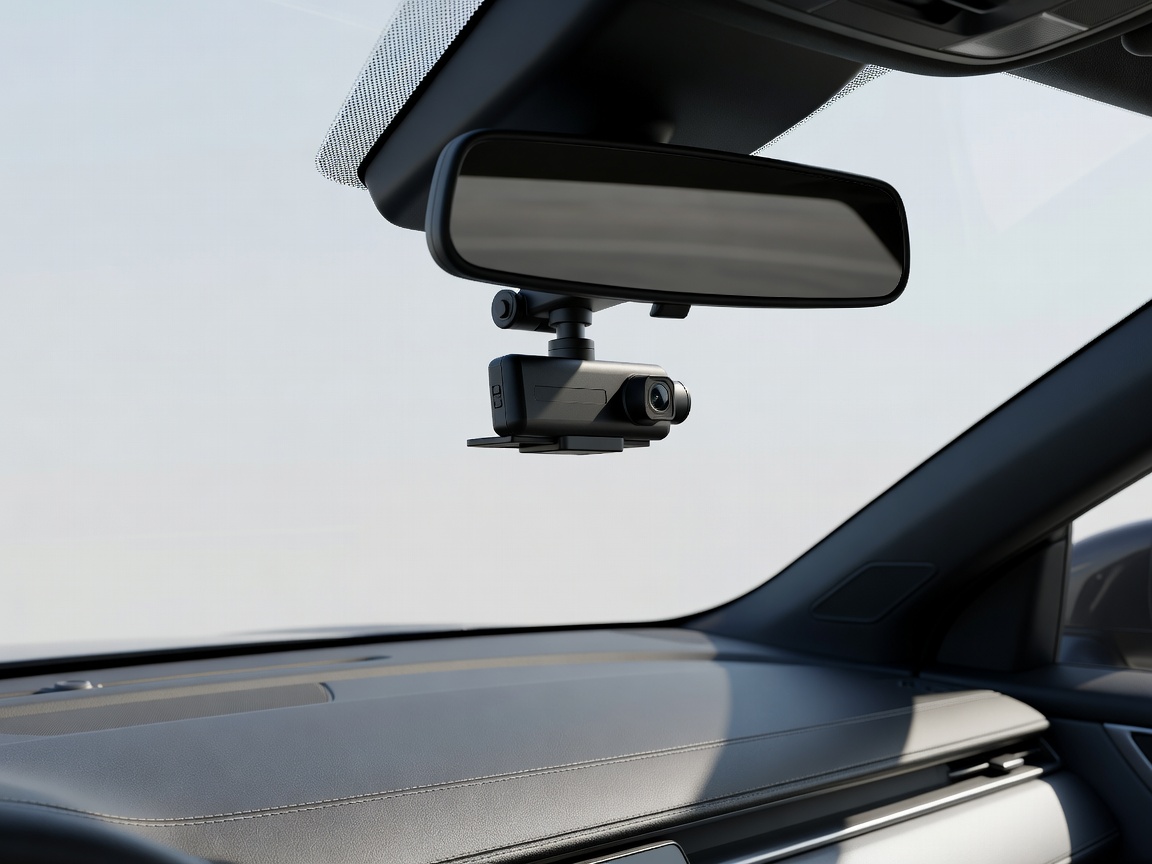
The optimal location is directly behind the rear-view mirror, centered on the windshield. The lens should capture a 60/40 ratio of road to sky, which prevents the auto-exposure sensor from aggressively darkening the footage against bright clouds.
Ensure the lens sits within the sweep path of your windshield wipers; otherwise, rain and dirt will render the security footage useless in poor weather.
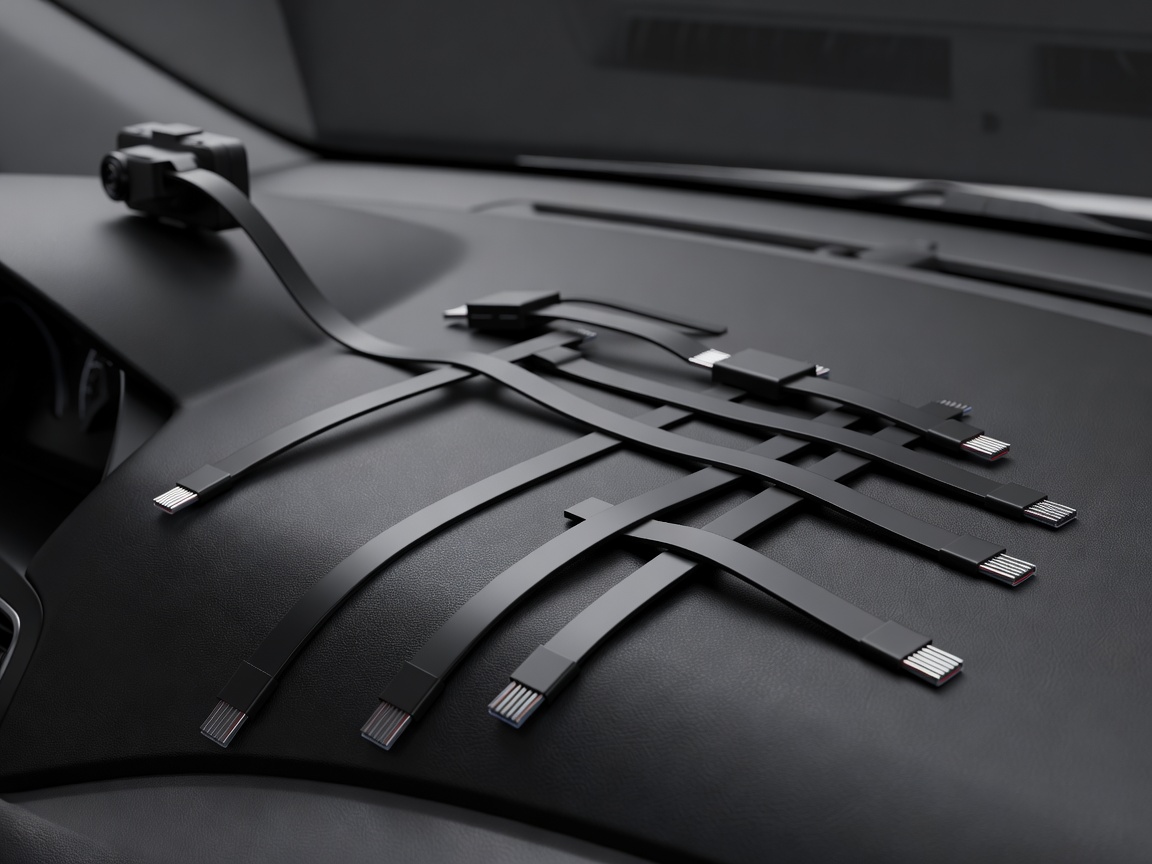
Cable Management (12V Socket)
For plug-and-play setups, never let cables drape freely over the dashboard. Use a spudger tool to safely tuck the power cable into the gap between the headliner and the roof, running it down the A-pillar weather stripping.
Security Warning: Ensure cables route strictly BEHIND any side-curtain airbags located in the A-pillar to prevent interference during deployment.
Hardwiring for Parking Mode
To enable 24/7 parking security, the camera must tap into the vehicle's fuse box using a hardwire kit. This connects to both an ignition-switched fuse and a constant battery fuse.
Integrated voltage cut-off modules ensure that if the vehicle's battery drops below 12.0V, the camera shuts down, preserving enough power to start the engine the next morning.