Key Security Features Explained
Knowing what specifications matter ensures you invest in a true security appliance, rather than just a novelty gadget.
Front vs. Rear Cameras Explained
A single front-facing camera captures the majority of critical data during an impact, establishing right-of-way and traffic signal states. However, rear-end collisions account for nearly 30% of traffic incidents.
Adding a rear-facing module completes your vehicle's security perimeter. Dual-channel setups utilize the same central processor, ensuring footage from both angles is time-synced down to the millisecond—vital for proving liability.
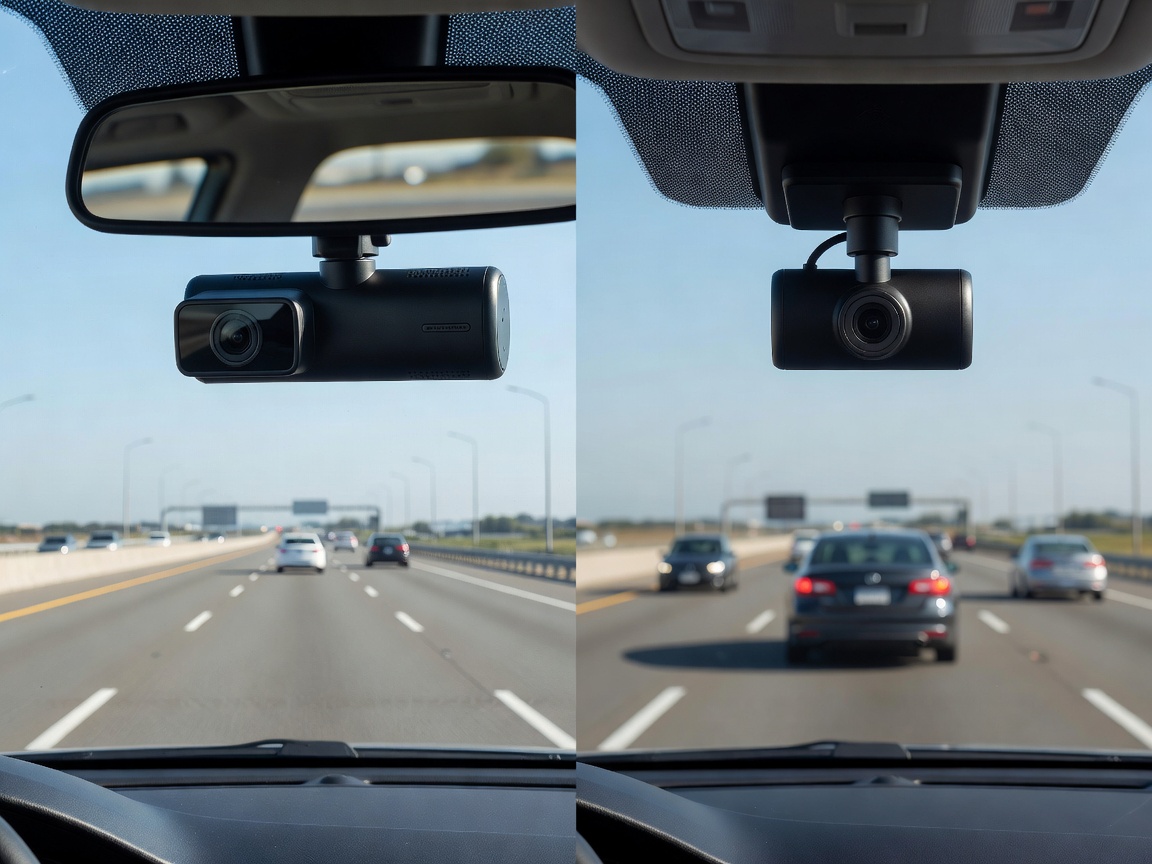
Night Vision Comparisons
Standard sensors struggle when headlights reflect off license plates, turning them into unreadable white blocks. High-end security sensors, like the Sony STARVIS line, utilize back-illuminated pixel technology.
This ensures that dynamic range is balanced—capturing the dark periphery of the road while automatically suppressing the glare of incoming headlights. If you drive in the winter months or work late shifts, advanced night vision is non-negotiable.
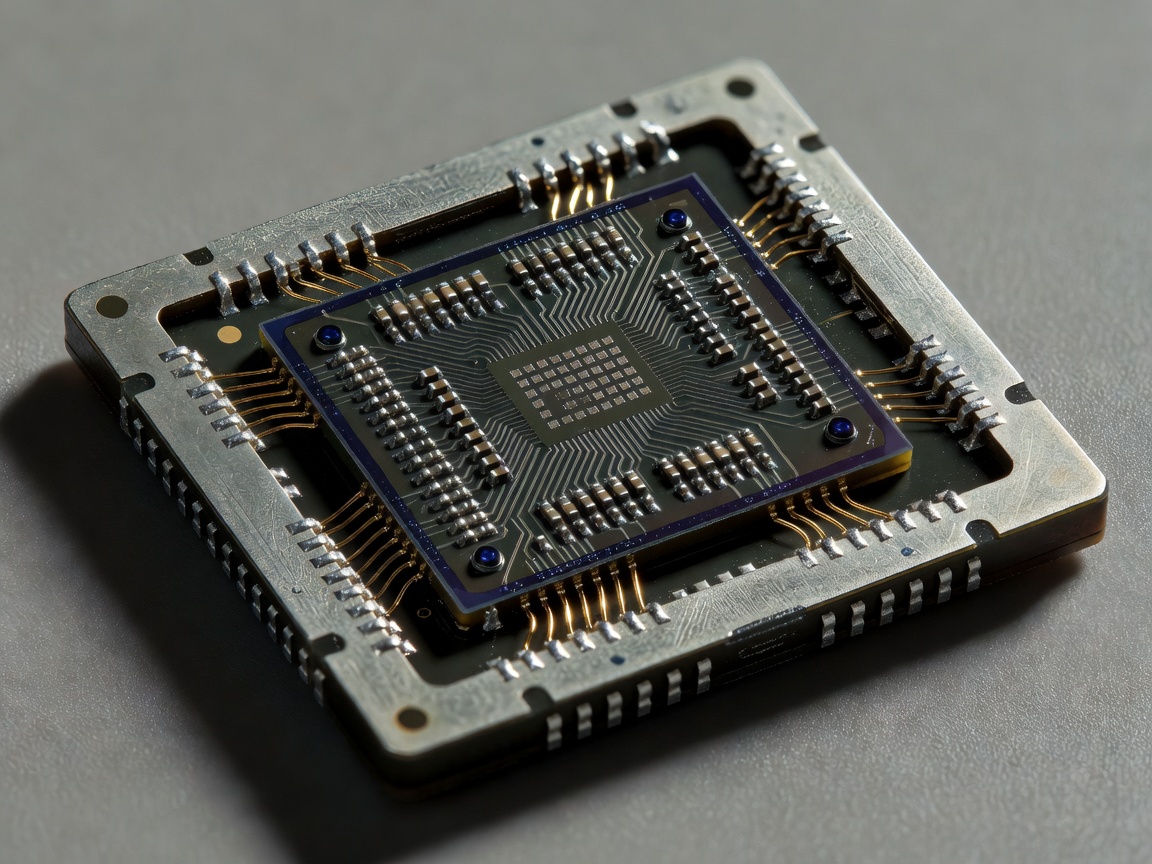
G-Sensors and Incident Locking
Modern dash cams utilize loop recording to constantly overwrite old footage, ensuring the memory card never gets full. However, if an impact occurs, the built-in 3-axis G-sensor detects the sudden structural shift.
The system instantly locks the current, previous, and next video files into a protected partition on the memory card, securing the evidence from being overwritten. Adjusting G-sensor sensitivity ensures a speed bump isn't logged as a crash.